

Colorado's dynamic commercial property lending market attracts diverse lenders due to its robust economy and real estate growth. Traditional banks, credit unions, and alternative lenders cater to various investor needs, with each offering specialized services. Strong demand for mixed-use developments and industrial facilities stimulates lending activity across sectors like technology and renewable energy. Lenders prioritize well-structured deals with strong collateral and experienced developers. Understanding risk evaluation, regulatory compliance, and diverse financing options is crucial for investors navigating this competitive landscape to secure optimal commercial property loans.
Accessing capital is a cornerstone of economic growth, especially within dynamic sectors like commercial property lending Colorado. As the market evolves, so too does the need for robust networks of lenders—a key enabler for both developers and investors navigating this complex landscape. However, challenges persist, from stringent regulatory environments to ever-changing investor preferences. This article delves into the intricate web of factors shaping commercial property lending in Colorado, offering insights into the strategies that foster a strong network of lenders. Our objective is to provide valuable intelligence, enabling stakeholders to thrive in this critical sector.
- Understanding Colorado's Commercial Property Lending Landscape
- Key Players: Who Are the Lenders in the State?
- Loan Types: Options for Commercial Real Estate Investors
- Evaluating Risk: Assessing Commercial Property Investments
- Navigating Regulations: Ensuring Legal and Ethical Practices
Understanding Colorado's Commercial Property Lending Landscape

Colorado’s commercial property lending landscape is a robust and diverse ecosystem, attracting both local and national lenders due to its thriving economy and attractive real estate market. The state has seen steady growth in commercial property investments, driving a corresponding increase in lending activity. According to recent reports, commercial property lending Colorado accounts for a significant portion of the statewide economic activity, with notable trends emerging in major metropolitan areas like Denver, Boulder, and Colorado Springs. These urban hubs are experiencing a surge in mixed-use developments, office spaces, and industrial facilities, fueling demand for financing options.
The landscape is characterized by a mix of traditional banks, credit unions, and alternative lenders, each offering specialized services to cater to the unique needs of commercial property investors. Large national banks maintain a strong presence, providing conventional loans and a wide range of financial products for larger projects. Simultaneously, community banks and credit unions play a vital role in supporting local businesses and smaller-scale developments through more personalized lending approaches. Alternative lenders, such as hard money lenders and private equity firms, also operate within the state, filling niche markets and offering flexible financing solutions. This diverse network contributes to a competitive environment, enabling borrowers to access various options tailored to their specific projects.
Lenders in Colorado have shown a preference for well-structured deals with robust collateral, strong debt service coverage, and experienced developers. The market’s health is reflected in the decreasing interest rates and more favorable terms offered over the past few years. This trend has encouraged investment activity, particularly in sectors like technology, healthcare, and renewable energy. Lenders are increasingly focusing on long-term partnerships, recognizing that stable, strategic relationships benefit both parties. As the state continues to attract businesses and experience population growth, commercial property lending Colorado is poised for further expansion, presenting exciting opportunities for both lenders and borrowers.
Key Players: Who Are the Lenders in the State?
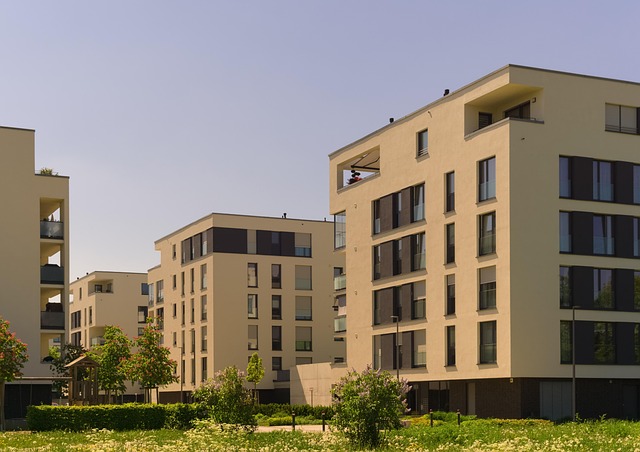
Colorado’s vibrant commercial property lending landscape is shaped by a diverse network of lenders, each contributing unique strengths and specializations. Key players include national banks with significant market share, regional credit unions offering tailored solutions, and local community banks deeply rooted in the state’s economy. For instance, Bank of America, Chase, and Wells Fargo dominate the top positions in commercial lending across Colorado, leveraging their vast resources and nationwide reach.
Among the credit unions, Credit Union of Denver and FirstTech Credit Union stand out for their focus on small to medium-sized businesses, providing flexible financing options tailored to local needs. Community banks such as FirstBank and Colorado Banks also play a vital role, particularly in rural areas, by offering personalized service and deep understanding of the regional market dynamics. This mix of lenders creates a robust ecosystem that caters to various business types and sizes across the state.
Lender concentration varies across different sectors and geographic regions within Colorado. For example, commercial property lending in Denver tends to be more competitive than in smaller towns due to higher real estate values and a more diverse economic base. As such, businesses looking for financing should conduct thorough research, compare rates, and explore the unique advantages offered by each lender. Engaging with local lenders who understand the state’s economy can provide valuable insights into securing optimal commercial property loans in Colorado.
Loan Types: Options for Commercial Real Estate Investors

Commercial real estate investors in Colorado benefit from a robust network of lenders offering a diverse range of loan types tailored to meet specific investment needs. The state’s vibrant commercial property lending landscape includes both traditional banks and non-lender financing sources, each with unique strengths and specializations. This variety allows investors to access flexible terms, competitive rates, and customized structures that align with their strategic objectives.
One prominent loan type gaining traction among Colorado investors is the bridge loan. These short-term, high-leverage financing options are ideal for developers and buyers who need rapid capital for acquisition or development projects. Bridge loans often come with lower documentation requirements compared to traditional loans, enabling quicker funding and flexibility in a dynamic market. For instance, a commercial real estate developer might secure a $5 million bridge loan to purchase a distressed property, plan renovations, and then refinance with a long-term mortgage upon completion.
Another notable option is the construction loan, designed specifically for developers undertaking new construction or significant renovations. These loans provide interim funding during the building phase, allowing investors to access capital as milestones are reached. Construction loans typically convert to permanent mortgages upon project completion, offering seamless transition and long-term financing solutions for commercial properties in Colorado. Understanding these diverse loan types empowers investors to navigate the market effectively, secure funding for their projects, and ultimately maximize returns on their commercial real estate investments.
Evaluating Risk: Assessing Commercial Property Investments

Evaluating risk is a cornerstone of successful commercial property investments, particularly within the competitive landscape of Colorado’s real estate market. Lenders play a pivotal role in this process, meticulously assessing assets to mitigate potential losses. In the case of commercial property lending Colorado, where the market fluctuates with regional economic trends and demographic shifts, a robust risk assessment is imperative for both lenders and investors. This involves a comprehensive review of factors such as market conditions, tenant creditworthiness, property value, and potential income streams.
Lenders employ sophisticated models and data analytics to predict performance and identify red flags. For instance, examining historical occupancy rates and rental trends can reveal resilience during economic downturns, showcasing the property’s ability to generate stable income. Additionally, assessing the local economy’s growth prospects informs the likelihood of rising property values over time. Lenders also scrutinize tenant profiles, verifying financial stability to ensure timely rent payments. A diverse tenant mix can further reduce risk by spreading exposure across various industries.
A practical approach for investors is to collaborate closely with experienced lenders who understand Colorado’s unique market dynamics. This collaboration allows for a deeper analysis of potential risks and rewards, ensuring informed decision-making. By leveraging expert insights and utilizing advanced risk assessment tools, investors can navigate the complexities of commercial property lending in Colorado, fostering long-term success in this competitive sector.
Navigating Regulations: Ensuring Legal and Ethical Practices

Navigating the regulatory landscape is an intricate aspect of the commercial property lending Colorado market, demanding a deep understanding of legal and ethical frameworks to mitigate risks and ensure sustainable growth. Lenders must adhere to stringent rules governing loans secured by real estate, with federal and state laws providing a comprehensive framework for consumer protection and fair lending practices. The Equal Credit Opportunity Act (ECOA), for instance, prohibits discrimination in credit transactions based on race, color, religion, national origin, sex, marital status, age, or receipt of public assistance, while the Truth in Lending Act (TILA) mandates transparent disclosure of loan terms to borrowers.
In Colorado, commercial property lending is further shaped by state-specific regulations that lenders must master. The Colorado Division of Banking oversees financial institutions, ensuring compliance with state laws and regulations, including those related to mortgage lending practices. Lenders must stay abreast of changing guidelines on interest rates, loan-to-value ratios, and documentation requirements, which can vary for different types of commercial properties. For instance, loans secured by industrial or agricultural real estate may have distinct regulatory considerations compared to urban office buildings or retail spaces.
To navigate these complexities effectively, lenders should implement robust compliance programs tailored to the unique risks associated with commercial property lending. This involves rigorous due diligence on borrowers and properties, regular reviews of loan portfolios, and ongoing staff training on regulatory updates. By embracing ethical and transparent practices, lenders can foster trust, maintain a positive reputation, and mitigate potential legal repercussions in the dynamic Colorado market.
In navigating the complex landscape of commercial property lending in Colorado, this article has illuminated several key insights. Firstly, understanding the state’s unique market dynamics is crucial for investors, with a strong network of lenders providing various loan types to support commercial real estate ventures. Key players include well-established banks and specialized finance companies, each offering distinct advantages. Evaluating risk effectively involves assessing property values, market trends, and borrower creditworthiness, ensuring informed investment decisions. Additionally, navigating regulations is paramount to adhere to legal and ethical standards, fostering a robust and transparent commercial property lending environment in Colorado. By synthesizing these key points, investors can strategically approach their funding options, mitigate risks, and capitalize on the diverse opportunities presented by the vibrant Colorado market.