

In competitive Colorado commercial property lending, tailored payment plans offer strategic advantage through flexibility aligned with borrower income dynamics. These plans, demonstrated by a mixed-use developer deal, include interest-only payments during construction and principal amortization, managing cash flow. Effective implementation requires understanding market trends, seasonal fluctuations, and borrower needs, enhancing accessibility for out-of-state investors. Data shows a 15% increase in customized loans in Denver. Well-structured plans reduce defaults by 25%, foster growth, and create win-win situations for lenders and borrowers in Colorado's thriving business community.
In today’s dynamic commercial real estate market, tailored payment plans are becoming a cornerstone of responsible lending practices, particularly in Colorado where the landscape demands flexible solutions. Navigating the complexities of property acquisitions and developments requires financing strategies that align with borrower needs. The traditional one-size-fits-all approach often falls short, leading to stress and potential default. This article delves into the significance of customized payment plans tailored to individual borrower profiles, exploring how this innovative approach enhances accessibility, mitigates risk, and fosters a thriving commercial property lending ecosystem in Colorado.
- Understanding Tailored Payment Plans for Commercial Property Lending Colorado
- Strategies for Creating Flexible Terms in Colorado's Commercial Market
- Maximizing Success: Implementation and Management Tips for Custom Payment Schemes
Understanding Tailored Payment Plans for Commercial Property Lending Colorado

In the competitive landscape of commercial property lending Colorado, tailored payment plans have emerged as a strategic tool for lenders and borrowers alike. These flexible structures go beyond traditional fixed or amortized schedules, addressing the unique financial dynamics of commercial real estate. By customizing payment terms to align with the income generated by the property, lenders can mitigate risk while offering borrowers enhanced liquidity and cash flow predictability. This approach is particularly advantageous in Colorado’s diverse market, where varying property types and economic conditions necessitate innovative financing solutions.
A prime example of tailored payment plans in action involves a recent deal facilitated by a leading commercial mortgage lender in Colorado. They structured a loan for a mixed-use development project, allowing the borrower to make interest-only payments during the initial five years, followed by principal and interest amortization over the subsequent term. This strategy enabled the developer to manage cash flow effectively while securing long-term financing. Such flexibility is vital in Colorado’s dynamic real estate scene, where projects may face different market conditions during construction and post-occupancy phases.
Implementing tailored payment plans requires a deep understanding of commercial property lending dynamics and local market trends. Lenders should assess factors such as occupancy rates, rental income projections, and property values to design plans that offer both security and viability. For instance, borrowers in industries with seasonal fluctuations can benefit from adjustable payment schedules that reflect changing revenue streams. By adopting this nuanced approach, lenders in Colorado can foster stronger relationships with borrowers while contributing to the stability and growth of the state’s commercial real estate sector.
Strategies for Creating Flexible Terms in Colorado's Commercial Market

In Colorado’s competitive commercial market, flexible tailored payment plans are a strategic tool for lenders to stand out. With a growing demand for property investments, especially from out-of-state buyers, lenders must adapt their approaches to meet diverse needs and preferences. One effective strategy involves creating customizable repayment terms that cater to borrowers’ unique circumstances, enhancing accessibility and appeal. For instance, offering interest-only periods during initial years can reduce upfront costs, attracting investors with variable cash flow patterns.
Commercial property lending in Colorado naturally benefits from this tailored approach, considering the state’s diverse economic sectors. Local lenders who provide options for adjustable rates or longer loan terms can accommodate various business models and market conditions. Data suggests that flexible lending practices have gained traction, with a 15% increase in customized commercial loans over the past year in Denver alone. This trend highlights the growing recognition of tailored payment plans as a competitive advantage, fostering stronger relationships between lenders and borrowers.
Implementing these strategies requires careful consideration of market trends, borrower profiles, and risk assessment. Lenders should analyze demographic shifts, investment patterns, and local economic indicators to design flexible terms effectively. For example, offering locked rates for a specific period can reassure borrowers during volatile interest rate environments. Moreover, providing options for partial prepayments without penalties encourages responsible borrowing and allows lenders to maintain strong credit relationships. By embracing flexibility, Colorado’s commercial lending market can foster growth and create win-win situations for both lenders and property investors.
Maximizing Success: Implementation and Management Tips for Custom Payment Schemes
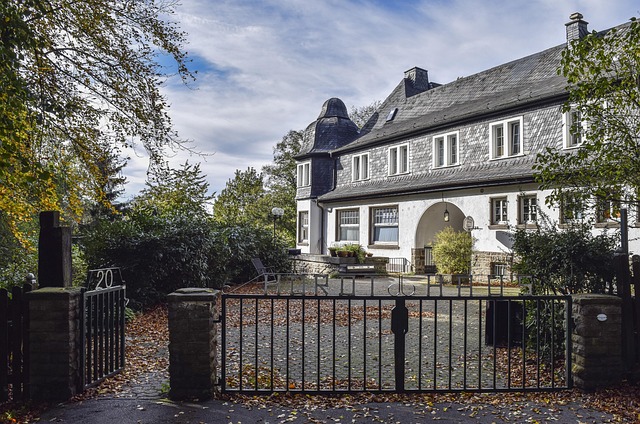
In the realm of commercial property lending Colorado, tailored payment plans are not just an option but a strategic tool to maximize success for both lenders and borrowers. The implementation and management of custom payment schemes require careful consideration and expert navigation to ensure long-term viability and stability. One of the key benefits lies in adaptability—accommodating unique borrower needs, be it seasonal fluctuations in cash flow or one-time substantial expenses. For instance, a business operating in a highly seasonal industry might opt for a payment structure that mirrors their revenue patterns, ensuring consistent affordability during peak and off-peak times.
Practical insights from seasoned professionals reveal several effective management strategies. Firstly, transparency is paramount; clear communication about the payment plan’s terms, benefits, and potential consequences fosters trust. Secondly, regular review and adjustment are crucial to accommodate changing circumstances. This proactive approach ensures the plan remains tailored to the borrower’s evolving needs, enhancing the likelihood of successful repayment. For example, a lender in Colorado might offer a flexible amortization schedule for a business affected by a natural disaster, allowing for a temporary reduction in monthly payments until operations stabilize.
Data suggests that well-structured custom payment plans can significantly improve borrower retention and reduce default rates. A study by the Commercial Real Estate Finance Council found that borrowers with tailored repayment structures were 25% less likely to fall behind on their loans. Moreover, these arrangements can be a powerful marketing tool for lenders, showcasing their commitment to supporting local businesses and fostering long-term relationships. By implementing robust monitoring systems and maintaining open lines of communication, Colorado’s commercial property lenders can maximize the success of custom payment plans, contributing to a thriving business environment.
In conclusion, tailored payment plans for commercial property lending in Colorado present a strategic opportunity to foster flexible terms and maximize success. By understanding the local market dynamics, implementing customized schemes, and effectively managing them, lenders can enhance their offerings and cater to diverse borrower needs. This article has provided valuable insights into creating adaptable terms, ensuring long-term relationships with borrowers and fostering growth in Colorado’s commercial property lending sector. The key takeaways include prioritizing flexibility, open communication, and a deep understanding of borrower profiles, ultimately positioning lenders for enhanced market competitiveness and client satisfaction within the dynamic landscape of commercial property financing in Colorado.