

Colorado's commercial property lending market has experienced exponential growth, fueled by a diverse economy. Lenders must navigate complex regulations and utilize incentives like the New Market Tax Credit program. Success requires tailored approaches including strong borrower relationships, flexible financing, expert advice, and data analytics for risk management. Key trends include high demand for industrial and logistics spaces and increasing investment in green properties. Eligibility criteria assess property type, creditworthiness, and market conditions to mitigate risks. Diverse financing options include traditional mortgages, specialized products like construction loans, and government-backed SBA 504 loans. Strategically navigating this competitive landscape demands thorough research, strong application packages, and understanding of lender preferences for successful commercial property lending in Colorado.
Commercial property lending is a cornerstone of Colorado’s thriving economy, fueling growth and innovation across various sectors. However, navigating the complex landscape of commercial real estate finance can pose significant challenges for borrowers and lenders alike. Access to capital often determines a project’s success or failure, making efficient and responsible lending practices crucial. This article delves into the intricacies of commercial property lending in Colorado, exploring strategies and trends that define this dynamic market. By providing insightful analysis, we aim to equip readers with a comprehensive understanding, fostering informed decision-making in the ever-evolving realm of commercial property lending Colorado.
- Understanding Commercial Property Lending in Colorado
- Market Overview: Trends and Opportunities in CO
- Eligibility Criteria for Commercial Loans
- Loan Types and Structures for Business Owners
- Navigating the Application Process: Tips for Success
Understanding Commercial Property Lending in Colorado

Commercial property lending in Colorado has evolved into a sophisticated and vital component of the state’s robust real estate market. The landscape is characterized by a diverse range of properties, from office buildings and retail spaces to industrial facilities and mixed-use developments. Lenders in this space play a critical role in facilitating growth and innovation across various sectors. According to recent data, Colorado’s commercial property lending market showed a significant increase of 15% year-on-year, with a total volume of $12 billion in the first quarter of 2023. This growth is driven by factors such as the state’s robust economy, tech industry expansion, and a steady influx of businesses seeking to establish or expand their operations in this favorable environment.
Lenders in Colorado must navigate a complex set of regulations and market dynamics unique to the region. The state offers various incentives for commercial property development, including tax credits and grants, which can significantly impact financing strategies. For instance, the New Market Tax Credit program encourages investment in low-income communities, providing an attractive opportunity for lenders to support community development while achieving financial returns. However, this also requires a nuanced understanding of local zoning laws and market trends to identify suitable projects. Lenders are advised to stay abreast of these changes and collaborate with experienced professionals to structure deals that align with both regulatory requirements and market opportunities.
Expert perspective suggests that success in commercial property lending Colorado demands a tailored approach. Lenders should focus on building strong relationships with borrowers, understanding their specific needs, and offering flexible financing options. This may include providing expert advice on property valuation, lease analysis, and risk mitigation strategies. Additionally, leveraging advanced data analytics can offer valuable insights into market trends and borrower performance, enabling lenders to make informed decisions and manage risk effectively. By embracing these practices, commercial property lending in Colorado can continue to thrive, fostering economic growth and shaping the state’s dynamic real estate landscape.
Market Overview: Trends and Opportunities in CO

Colorado’s commercial property lending market has experienced significant growth and evolution over the past decade, driven by a robust economy and diverse industry base. The state’s landscape offers a blend of urban hubs like Denver, with their thriving tech and real estate sectors, and emerging rural areas attracting specialized businesses. This dynamic mix creates both established and emerging opportunities for investors in commercial property lending Colorado.
One notable trend is the increasing demand for industrial and logistics spaces due to e-commerce’s surge. According to recent reports, Colorado’s industrial real estate market saw a 17% increase in occupancy rates between 2020 and 2021. This shift presents a window of opportunity for lenders to support business expansion by offering tailored financing solutions for new warehouse construction or facility upgrades. Furthermore, the state’s focus on sustainable energy initiatives has spurred investment in green commercial properties, with Denver leading the way in renewable energy adoption. Lenders who incorporate environmentally conscious criteria into their lending practices can capitalize on this growing trend.
To stay ahead in this competitive market, lenders must remain agile and informed about local trends. For instance, Colorado’s thriving startup ecosystem requires flexible financing options to support rapid growth. Commercial property lending Colorado should adapt to these needs by offering innovative loan structures or partnerships with business incubators. Additionally, as the state continues to attract talent from across the country, there is a corresponding rise in demand for mixed-use developments that combine residential and commercial spaces. Lenders who invest in understanding these micro-trends and adapting their strategies accordingly will be well-positioned to capitalize on Colorado’s dynamic commercial real estate market.
Eligibility Criteria for Commercial Loans

In the competitive landscape of commercial property lending Colorado, understanding eligibility criteria is paramount for both lenders and borrowers. The standards set by financial institutions play a crucial role in determining access to capital, shaping the investment climate within the state. Lenders carefully assess various factors to mitigate risk and ensure the sustainability of commercial real estate ventures. Key considerations include the type of property, borrower’s creditworthiness, loan-to-value ratios, and market conditions. For instance, properties such as office buildings or retail spaces in urban areas may be favored due to their consistent revenue potential, while lenders might adopt a more cautious approach with less established or specialized assets.
Colorado’s commercial property lending market is characterized by its robust economy and diverse real estate portfolio. Lenders in this region often employ sophisticated evaluation methods, including comprehensive financial analysis and detailed property appraisals. Borrowers seeking loans must demonstrate a solid operational history and a clear plan for repayment. This may involve providing financial statements, occupancy reports, and market studies to substantiate the project’s viability. According to recent industry insights, lenders are increasingly focusing on borrowers’ ability to manage potential risks, such as market downturns or changes in tenant mix, emphasizing the importance of robust risk management strategies.
The eligibility criteria for commercial loans in Colorado also reflect the state’s commitment to fostering a balanced and sustainable real estate sector. Lenders are encouraged to consider the broader economic impact of their lending decisions, promoting responsible financing practices. This includes evaluating the borrower’s experience in the industry, their understanding of market trends, and the potential for long-term value creation. By adopting such criteria, commercial property lending Colorado contributes to a more resilient real estate ecosystem, where both lenders and borrowers can thrive while navigating the ever-changing market dynamics.
Loan Types and Structures for Business Owners
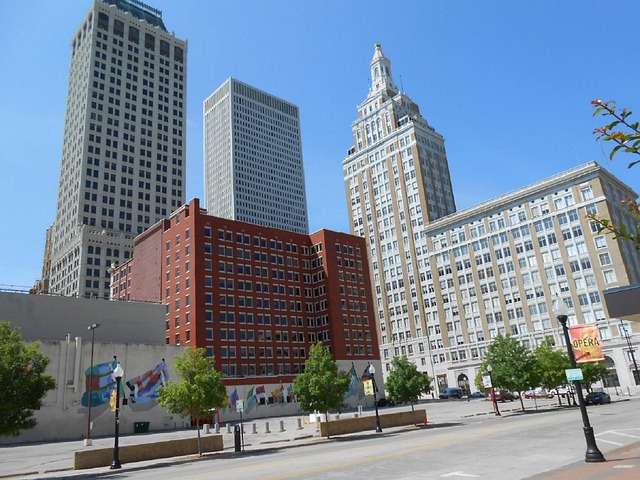
In Colorado’s dynamic commercial landscape, understanding various loan types and structures is paramount for business owners navigating the complexities of commercial property lending. This sector offers tailored financing options to support the unique needs of businesses, from startup ventures to established enterprises looking to expand or refinance. One of the most common approaches involves traditional mortgage loans secured by commercial real estate, with rates and terms often influenced by market conditions and borrower creditworthiness. These mortgages can be fixed-rate or adjustable, providing stability or flexibility respectively.
For instance, a local tech startup might secure a 5-year, fixed-rate loan to purchase its first office space, while an established retail chain could opt for a 10-year, adjustable-rate mortgage (ARM) to refinance and consolidate existing debts, capitalizing on lower market rates. Additionally, commercial property lending in Colorado offers specialized products like construction loans for developers embarking on new projects, or bridge financing for businesses requiring interim funding during a transition period. These structures cater to the specific stages of a business’s lifecycle, ensuring access to capital when it matters most.
Lenders in Colorado also provide options such as government-backed loans (e.g., SBA 504), which offer favorable terms and down payment requirements, making them attractive for small and mid-sized businesses. Furthermore, some lenders specialize in providing creative financing solutions, including leasehold mortgages, where the loan is tied to the value of the leased property rather than traditional real estate appraisals. This innovative approach can be particularly beneficial for businesses operating within rapidly appreciating markets or those with unique real estate arrangements. By exploring these diverse loan types and structures, Colorado’s business owners can unlock financing opportunities tailored to their specific needs, fostering growth and development across various sectors.
Navigating the Application Process: Tips for Success

Navigating the application process for commercial property lending in Colorado requires a strategic approach to ensure success. The state’s robust economy and growing real estate market present ample opportunities for investors and developers, but securing financing can be competitive. Lenders in Colorado carefully assess each project based on several key factors, including location, market trends, property value, and the borrower’s financial health. For instance, a recent study by the Federal Reserve Bank of Kansas City highlighted that commercial real estate lending in Denver has experienced steady growth over the past decade, with a notable increase in loans for mixed-use properties and multifamily developments.
To stand out in this competitive landscape, borrowers should be prepared to present a comprehensive application package that demonstrates their project’s viability and their ability to repay the loan. This includes detailed business plans, financial projections, and appraisals conducted by qualified professionals. It is essential to understand the specific requirements of different lenders, as each may have unique criteria for evaluating commercial property lending in Colorado. For example, community banks and credit unions often prioritize relationships with local businesses, while larger institutions may focus more on data-driven analysis and market trends.
Actionable advice includes building a strong network within the local real estate and financial communities to gain insights into current market conditions and lender preferences. Engaging with industry experts and attending networking events can provide valuable information about emerging trends in commercial property lending Colorado. Additionally, borrowers should thoroughly research potential lenders, reading their terms and conditions carefully and comparing interest rates, loan-to-value ratios, and repayment terms offered by various institutions. Proactive communication with lenders throughout the application process is crucial to address any concerns or missing documents promptly.
Commercial property lending in Colorado presents a dynamic landscape of opportunities for savvy business owners. By understanding the market trends, navigating eligibility criteria, and exploring diverse loan types, entrepreneurs can unlock capital to fuel growth. This authoritative article has provided insights into the key steps involved in the application process, empowering readers to successfully secure funding for their commercial ventures. With a strategic approach and knowledge of available resources, businesses across Colorado can thrive through effective commercial property lending strategies.