

Commercial property lending in Colorado is a dynamic sector fueled by the state's booming economy and diverse real estate market. Key trends include:
– Growing demand for sustainable and green building projects, driven by state incentives.
– Stringent eligibility criteria enforced by lenders to mitigate risk.
– Diverse financing options available, including traditional bank loans, hard money, and government-backed programs.
– Comprehensive business plans are crucial for securing funding, highlighting market trends, financial projections, and risk mitigation strategies.
– Diversifying portfolios across asset classes and locations for optimal returns and risk management.
Real estate financing is a cornerstone of economic growth, driving development and investment across diverse markets, including the vibrant landscape of commercial property lending Colorado. However, navigating the complexities of securing funding for commercial properties can pose significant challenges, from stringent lending criteria to fluctuating market conditions. This authoritative piece delves into the intricacies of commercial real estate finance, offering insightful strategies and solutions tailored to Colorado’s dynamic market. By exploring innovative approaches and leveraging expertise in this realm, we aim to empower investors and professionals to navigate successfully through the maze of commercial property lending.
- Understanding Commercial Property Lending in Colorado
- Eligibility Criteria for Commercial Real Estate Financing
- Types of Loans for Buying and Developing Properties
- The Application Process: Steps to Secure Funding
- Documenting and Preparing Your Business Plan
- Market Trends and Strategies for Optimal Returns
Understanding Commercial Property Lending in Colorado

Commercial property lending in Colorado has emerged as a robust sector, driven by the state’s thriving economy and diverse real estate market. Lenders in this space cater to a wide range of borrowers, from established businesses seeking expansion capital to startups requiring initial funding for their commercial ventures. The landscape is characterized by a mix of traditional banks, credit unions, and alternative lenders, each offering unique products tailored to Colorado’s specific economic needs.
One notable trend in commercial property lending Colorado is the increasing demand for sustainable and green building projects. State incentives and grants encourage developers and businesses to invest in energy-efficient properties, leading to a surge in eco-friendly real estate financing. For instance, data from the Colorado Energy Office shows that investments in renewable energy projects have grown by over 20% annually in recent years, directly impacting the lending landscape. Lenders are responding by offering specialized loans with favorable terms for green construction, further fueling innovation and investment in this sector.
To navigate this dynamic market effectively, businesses should consider partnering with experienced lenders who understand Colorado’s unique real estate dynamics. Expert advice on property valuation, debt service coverage ratios, and market trends is invaluable. Additionally, exploring alternative financing options beyond traditional bank loans can open doors to flexible terms and competitive rates. By staying informed about the latest developments in commercial property lending Colorado, businesses can secure funding that aligns with their growth strategies while capitalizing on the state’s thriving economic environment.
Eligibility Criteria for Commercial Real Estate Financing
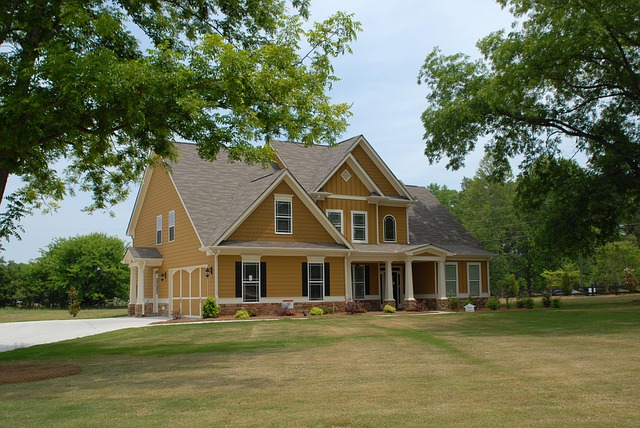
In the realm of commercial property lending Colorado stands as a thriving market, attracting investors and developers with its robust economy and diverse real estate opportunities. However, securing financing for commercial properties involves navigating stringent eligibility criteria set by lenders. These standards ensure responsible lending practices while mitigating risk, especially in a dynamic market like Colorado’s. Key factors that determine eligibility include the borrower’s credit history, debt service coverage ratio (DSCR), and the property’s cash flow potential. Lenders typically seek a DSCR above 1.2, indicating the borrower can comfortably cover their debt obligations with the property’s income.
For commercial property lending in Colorado, lenders closely scrutinize the financial health of both the borrower and the underlying asset. Borrowers often need to demonstrate a stable or improving credit profile, as well as a solid track record of managing similar properties. Additionally, lenders may require detailed financial statements, including profit and loss projections, to assess the property’s viability and the borrower’s ability to repay the loan. For instance, in 2022, data from the Federal Reserve Bank of Denver revealed that commercial real estate lending in Colorado remained robust, with a significant portion of loans concentrated in office and retail sectors. This highlights the importance of solid financial planning and documentation for prospective borrowers.
Beyond financial metrics, lenders also consider market factors and property-specific risks. Location plays a vital role, with prime areas in Denver or Boulder often commanding higher loan-to-value ratios due to strong demand and rental markets. Lenders may offer more favorable terms for properties in stable, established neighborhoods versus emerging districts. Furthermore, lenders typically require detailed appraisals to ensure the property’s value aligns with the requested loan amount. Understanding these eligibility criteria is crucial for prospective borrowers, enabling them to prepare comprehensive applications that enhance their chances of securing financing for their commercial real estate ventures in Colorado.
Types of Loans for Buying and Developing Properties

When it comes to buying and developing properties, understanding the various loan options available is crucial for investors and developers in Colorado’s commercial property lending landscape. The choice of financing can significantly impact project feasibility, return on investment, and long-term success. This section delves into the different types of loans tailored for real estate transactions, offering a comprehensive guide for informed decision-making.
One common approach is through traditional bank loans, which often require substantial down payments and strict creditworthiness criteria. These loans are suitable for those seeking longer-term financing with stable repayment schedules. For instance, a fixed-rate mortgage over 20 or 30 years is popular for residential properties, ensuring predictable monthly payments. In Colorado’s vibrant commercial sector, banks may offer specialized lending programs to support local business growth, providing flexible terms and competitive rates.
Alternative financing options include private money loans from hard money lenders, which are typically faster but come with higher interest rates and shorter terms. These loans are asset-based, relying on the property itself as collateral, making them attractive for developers looking to quickly secure funding. For example, a hard money loan might be ideal for a renovation project where speed is essential to capitalize on market trends. In Colorado, where commercial real estate values have been steadily rising, such financing can offer investors an edge in acquiring properties at competitive prices.
Government-backed loans, like those from the USDA or SBA, are another avenue for commercial property lending in Colorado. These programs provide guarantees to lenders, making it easier for borrowers to access funding, especially in rural areas or for small businesses. For instance, the USDA’s loan guarantee program has facilitated development of agricultural and commercial properties across the state. Additionally, tax-efficient financing strategies can be employed, such as utilizing 1031 exchanges, allowing investors to defer capital gains taxes while reinvesting proceeds into new property acquisitions.
The Application Process: Steps to Secure Funding

Securing funding for commercial property lending Colorado is a meticulous process requiring thorough preparation and a strategic approach. Prospective borrowers should begin by assembling comprehensive financial statements, including tax returns, balance sheets, and cash flow projections. This foundational step allows lenders to assess the borrower’s financial health and business viability. A solid understanding of the local real estate market, demonstrated through market analysis and comparable sales data, is equally crucial. Lenders in Colorado often require a minimum down payment of 20% for commercial properties, with some high-value transactions demanding even higher percentages.
The application itself should be detailed and comprehensive, encompassing all relevant information about the property, the borrower’s business, and their personal financial history. Borrowers should expect to provide detailed business plans, especially if seeking funding for a new development or significant expansion. Lenders will scrutinize these documents to ensure the project’s feasibility and align with their risk appetite. Colorado’s commercial property lending market is competitive, offering various loan types, including term loans, lines of credit, and CMBS (Commercial Mortgage-Backed Securities). Each option has unique terms, interest rates, and repayment structures, requiring borrowers to carefully evaluate which best suits their needs.
During the application review, lenders will assess not only the financial viability but also the collateral value and potential for future market fluctuations. In a state known for its diverse and robust real estate sector, commercial property lending in Colorado is characterized by strict compliance and regulatory adherence. Borrowers should anticipate thorough due diligence from lenders, including property appraisals, business verification, and personal financial reviews. Demonstrating strong credit history and a solid track record of successful real estate ventures can significantly enhance a borrower’s application. Effective communication with the lender throughout this process is paramount to understanding their expectations and addressing any concerns promptly.
Documenting and Preparing Your Business Plan

Securing commercial property lending Colorado requires a robust business plan that outlines your strategy, market analysis, financial projections, and risk mitigation plans. This document serves as a roadmap for investors and lenders, demonstrating your understanding of the local market dynamics and the potential for successful commercialization. A well-crafted business plan should detail the property’s unique selling points, target tenant demographics, and competitive advantages against similar properties in the area. For instance, highlighting high occupancy rates or significant renovations in a declining market can bolster your proposal.
In Colorado, commercial property lending is influenced by various economic factors, including the state’s robust economy, low unemployment rates, and growing population, particularly in urban areas like Denver. Lenders assess these trends to gauge investment viability. Therefore, incorporating up-to-date market data and trends into your plan is essential. For example, a rise in e-commerce could indicate increased demand for logistics spaces. Understanding these shifts allows you to position your project as a forward-thinking venture, aligning with current market demands.
Actionable advice includes conducting thorough research on comparable properties, seeking expert input from local real estate agents or consultants, and presenting realistic financial forecasts. A common pitfall is overestimating revenue potential without considering operational costs or market fluctuations. Lenders prefer conservative yet achievable projections. Additionally, demonstrating access to necessary funding or securing pre-commitments for tenant leases can strengthen your business plan, assuring lenders of a lower risk investment opportunity in the competitive commercial property lending Colorado market.
Market Trends and Strategies for Optimal Returns

The commercial property lending landscape in Colorado has been experiencing dynamic shifts, influenced by broader economic trends and evolving investor preferences. Over the past decade, the state’s robust economy and thriving industries have fueled a significant surge in demand for commercial real estate, driving up property values and creating a favorable environment for investors seeking substantial returns. According to recent data from the National Association of Realtors, Colorado’s commercial property market outperformed many others nationwide, with an average cap rate (return on investment) ranging between 7-8% in major metropolitan areas like Denver. This trend underscores the strong tenant demand and rental income stability that underpins attractive lending opportunities in the state.
Navigating this competitive landscape requires a strategic approach that aligns with market dynamics. Lenders and investors who stay abreast of emerging trends stand to gain significant advantages. For instance, the rise of e-commerce has led to an increased demand for industrial and distribution spaces, creating ample opportunities for specialized lending programs tailored to these sectors. Furthermore, the growing focus on sustainability and green building practices presents both challenges and rewards; lenders can capitalize on government incentives and lower financing costs associated with environmentally friendly properties, attracting eco-conscious investors.
In terms of strategies for optimal returns, diversifying one’s portfolio is paramount. Commercial property lending in Colorado offers a myriad of options, from mixed-use developments to multifamily properties and industrial parks. By spreading investments across different asset classes and locations, lenders can mitigate risk while maximizing exposure to high-yielding sectors. Additionally, staying informed about demographic shifts, employment trends, and infrastructure development plans is essential for identifying emerging markets and securing favorable financing terms. For example, lending institutions that anticipated the tech industry’s growth in suburban areas of Denver were well-positioned to secure prime properties at competitive rates, setting the stage for substantial returns on investment over the long term.
By delving into commercial property lending in Colorado, this article has illuminated crucial aspects of navigating the complex landscape of real estate financing. Key takeaways include understanding stringent eligibility criteria for commercial real estate loans, recognizing diverse loan types tailored to buying and developing properties, and mastering a meticulous application process that requires a robust business plan. Market trend analysis underscores the dynamic nature of the industry, demanding strategic adjustments for optimal returns in today’s evolving environment. Armed with this authoritative guide, readers are equipped to confidently navigate commercial property lending in Colorado, making informed decisions to foster successful real estate ventures.